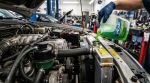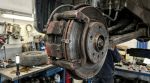
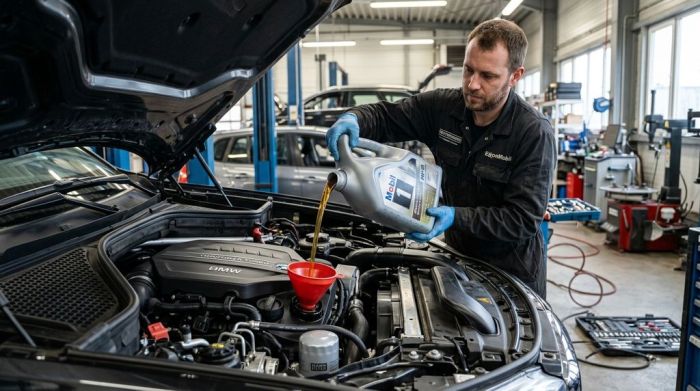
Synthetic oil is indeed more durable than conventional oil. Many car owners feel confident extending their oil change intervals well beyond the manufacturer's recommendation because the oil "still looks clean" on the dipstick.
But here is what most people miss: the oil filter is the real bottleneck. Even if the synthetic oil itself remains viscous and effective, the filter traps dirt, metal shavings, and combustion byproducts over time. Once the filter reaches its capacity, a built-in pressure relief valve opens and allows unfiltered, dirty oil to bypass the filter completely.
This means microscopic metal particles and carbon sludge circulate directly through your engine's moving parts. These contaminants act like fine sandpaper on your piston rings, main bearings, camshaft lobes, and cylinder walls. You will not feel the damage immediately, but over 10,000 to 20,000 miles, the wear becomes significant and irreversible.
There is also the critical issue of oil additive depletion. Modern engine oils contain detergent packages, anti-wear agents like ZDDP, and viscosity improvers. These additives degrade over time due to heat cycles and contamination. Even if the oil still looks clean and lubricates, it has lost its ability to clean your engine internally and protect against extreme pressure at metal-to-metal contact points.
The result is a gradual but steady increase in internal engine wear. You may notice decreased fuel efficiency, slightly rougher idle, or increased oil consumption. By the time you hear knocking sounds or see blue exhaust smoke from worn valve seals, the internal damage has already reached an advanced stage requiring major engine work.
The better approach: Follow your owner's manual oil change interval but never exceed 7,500 miles on synthetic oil in normal driving conditions. If you do mostly short trips or heavy traffic, consider 5,000-mile intervals. Always replace the oil filter with every single oil change — it costs under $10 but protects a multi-thousand-dollar engine investment from premature failure.